
How Skin Type Affects PMU Results (and When Touch-Ups Are Needed)
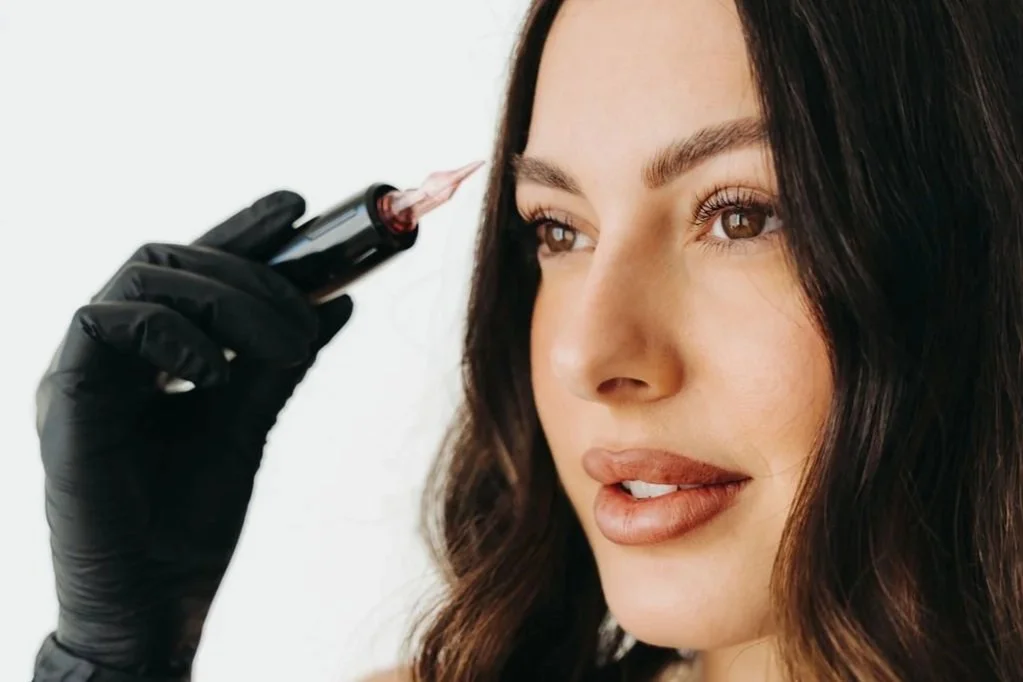
Permanent makeup (PMU) is highly customizable to each client and never one-size-fits-all. One of the most important factors influencing how PMU heals, fades, and lasts over time is skin type. Understanding how your skin behaves allows your artist to choose the right technique, pigment, and depth, while also setting realistic expectations for long-term results.
How Different Skin Types Affect PMU Healing & Retention
Normal to Dry Skin
Clients with normal to dry skin typically experience the most defined healed results and the slowest, most even fading. Pigment tends to settle smoothly into the skin, making this skin type ideal for crisp nano hair strokes, soft shading, and natural finishes that hold their shape over time.
Oily Skin
Oily skin behaves differently due to increased sebum production. Pigment may heal softer or blur slightly, and fading often occurs more quickly. This doesn’t mean PMU isn’t suitable for oily skin. It simply requires a more strategic approach. Technique, pigment choice, and density are adjusted to ensure results age gracefully, with the understanding that maintenance may be needed more frequently.
Combination Skin
Combination skin often shows mixed behaviour. Some areas of the brow may retain pigment beautifully, while others fade sooner. This is why customization during the initial appointment and refinement during the initial touch-up session (6–8 weeks later) is essential for balanced, long-lasting results.
Mature Skin
Mature skin can heal beautifully when treated with care. Because the skin is often thinner and more delicate, a lighter hand and softer pigment choices are used. Results tend to appear very natural and elegant, though gradual fading may occur slightly sooner due to natural skin regeneration. A conservative approach ensures brows remain timeless rather than overdone.
Sensitive or Reactive Skin
Sensitive or reactive skin may require additional consideration during healing. Pigment retention can be less predictable, but proper aftercare and professional follow-up help ensure the best possible outcome. A thorough consultation allows your artist to assess suitability and tailor expectations accordingly.
How Often Are PMU Touch-Ups Needed?
Touch-ups are a normal and essential part of permanent makeup. PMU is designed to fade slowly and naturally—not remain bold indefinitely.
An initial touch-up is typically scheduled 6–8 weeks after the first session. This allows the artist to reinforce pigment, refine shape, and balance colour once the skin has fully healed.
Beyond that, maintenance appointments are usually recommended every 1–2 years, depending on skin type and lifestyle:
Oily skin or faster fading → annual refreshes
Normal to dry skin → longer intervals between touch-ups
Factors like sun exposure, skincare products, workouts, and exfoliation all influence how quickly pigment fades.
Skincare Products to Avoid On or Near PMU Brows
These products can cause premature fading or pigment discoloration over time:
Retinoids / Vitamin A
(Retinol, Retin-A, Tretinoin, Adapalene, Differin)
Increase cell turnover and push pigment out of the skin.Chemical Exfoliants
AHAs (glycolic, lactic, mandelic), BHAs (salicylic acid), PHAs
Regular use near the brow area accelerates fading.Vitamin C (Ascorbic Acid)
Especially in higher concentrations or frequent use.Benzoyl Peroxide
Common in acne treatments; can lighten or oxidize pigment.Skin-Lightening or Brightening Ingredients
Hydroquinone, kojic acid, arbutin, licorice root, azelaic acid.Exfoliating Cleansers, Scrubs, or Tools
Including cleansing brushes, sponges, or textured pads used near the brows.Frequent Professional Treatments Near Brows
Chemical peels, microdermabrasion, laser treatments, or exfoliating facials.
Other Factors That Cause PMU to Fade Faster
Skincare isn’t the only factor that affects PMU longevity. Lifestyle habits also play an important role in how pigment heals, fades, and maintains colour over time. Even with proper aftercare, certain routines and environmental factors can cause pigment to fade more quickly or unevenly.
Sun exposure and tanning are the leading causes of PMU fading, as UV rays break down pigment in the skin.
Not using SPF on the brow area once healed leaves pigment vulnerable to sun damage.
Oily skin or excess oil production can soften pigment and shorten retention time.
Heavy sweating, frequent intense workouts, swimming, and chlorine exposure may reduce pigment longevity.
Frequent exfoliation or waxing over the brow area increases skin turnover and pushes pigment out faster.
Hormonal changes, including pregnancy, postpartum shifts, and thyroid conditions, can affect how pigment heals and retains.
Certain medications that increase skin turnover or sensitivity may contribute to faster fading.
Poor aftercare during the healing phase often leads to uneven results and reduced longevity.
Understanding these factors helps set realistic expectations and supports more even, long-lasting permanent makeup results.
What to Expect as PMU Heals and Fades
Permanent makeup fades by design. Avoiding certain products doesn’t mean giving up good skincare. Just remember to be mindful around the brow area and adjust your routine to protect your investment.
The key to beautiful, long-lasting PMU results lies in understanding your skin and maintaining your brows over time. When performed by an experienced artist who prioritizes customization and natural results, permanent makeup remains soft, flattering, and effortlessly low-maintenance at every stage.
Every skin type is different. Your PMU should be too.
A personalized consultation helps ensure results that heal well, fade evenly, and suit your features. Book your consultation.
